——————– Titusville, FL & Surrounding Areas

A sports physical should provide more than basic clearance.

Sports physicals should carefully evaluate readiness, breathing concerns, injury history, recovery, and any issues that may deserve further attention before returning to play. Dr. Marshall’s sports physicals and athlete safety evaluations look at readiness, breathing, injury history, recovery, and anything that deserves follow-up before someone gets cleared to compete — for youth athletes and adults alike.

Mission Concierge Care: Doctor and patient consultation for comprehensive sports physicals and athlete evaluations.
Best For

For school and team physicals, return-to-play evaluations, and athletes needing more comprehensive assessment.

Common Concerns

Common concerns include breathing symptoms during exercise, concussion recovery, recurring injuries, heat illness risk, and questions about safe return to activity.

Why Concierge Helps

Thoughtful sports evaluations help athletes and families better understand health concerns, safety risks, and readiness to safely participate.

——————– The Reality

Most sports physicals
are designed to be fast.

Walk-in clinic, check the boxes, sign the form. It takes ten minutes. And for most athletes in most years, that’s probably fine. But for the athlete with a history of chest tightness during sprints, or the teenager who had a concussion last season and still gets headaches, or the adult who “used to run” and wants to start training again at 45 — that ten-minute visit isn’t enough.

Good sports safety care means asking about the things that matter: breathing symptoms, cardiac history in young athletes, injury patterns, recovery quality, heat exposure, hydration habits, and whether anything in the picture warrants a closer look before clearing someone to compete.

Dr. Marshall’s sports physicals are built around that standard — not the fastest possible exit with a signature at the bottom.
“The sports physical that misses exercise-induced asthma, or a prior concussion that wasn’t fully resolved, or a cardiac symptom that deserved a cardiology referral — that’s not a physical. That’s a form. Athletes deserve the difference.”
—– Dr. B. Grant Marshall, Mission Concierge Care
——————– Who This Serves

Youth athletes, adult athletes,
and everyone competing in between

This isn’t only for kids heading back to school in August. Sports physicals and athlete safety evaluations serve a broader range of people — each with different needs.
School & Youth Athletes
Pre-participation physicals for school sports, camp clearance, and youth athletic programs — done with enough time to actually evaluate the athlete, not just complete the paperwork.
Adult & Masters Athletes
Adults returning to training, running first races, or stepping up intensity deserve an evaluation that accounts for age-related cardiovascular and musculoskeletal considerations — not just the same form a teenager fills out.
Athletes With Active Concerns
Breathing symptoms during exercise, a prior concussion, recurrent injuries, poor recovery, or fatigue that’s affecting performance — athletes with these issues need a physician who evaluates the concern, not just clears around it.
——————– The Evaluation

What a thorough sports physical
actually looks at

A good pre-participation evaluation covers more than “can you touch your toes.” Here’s what Dr. Marshall focuses on — beyond the form.
01
Medical & Injury History
Prior injuries, surgeries, hospitalizations, medications, cardiac conditions in family members, heat illness history, concussion history, and any symptoms that haven’t been fully resolved. The history is where most important findings start — not the physical exam.
02
Cardiovascular & Breathing Review
Chest pain or tightness with exertion, shortness of breath beyond expected effort, irregular heartbeat, exercise-induced cough or wheeze, dizziness, or near-fainting during or after activity. These symptoms deserve follow-up — not clearance by default.

03

Readiness & Safety Guidance
Is this athlete ready to participate as planned? Are there conditions that need management before clearance? Does something warrant specialist evaluation — cardiology, orthopedics, sports medicine, or neurology — before the season starts? This is where the form signature either happens or waits.
Stop and Evaluate

Symptoms that deserve
more than reassurance

Some symptoms that come up during a sports physical — or that develop during training — shouldn’t be cleared around. They should be evaluated before an athlete returns to competition.

These are the findings that change the conversation from “you’re cleared” to “let’s find out what’s happening first.” Dr. Marshall takes these seriously and coordinates the right next step rather than defaulting to clearance for convenience.
Return to Play

When the decision needs
more than a timeline

Return-to-play after illness or injury is often more nuanced than “wait two weeks and then go back.” Concussion recovery, cardiac illness, musculoskeletal injury, and prolonged illness all require individualized medical judgment — not just a calendar.

Dr. Marshall can help determine whether an athlete is genuinely ready to return, whether additional evaluation or specialist clearance is appropriate, and what modifications might allow safer participation during recovery.

That guidance matters most for athletes in high-contact sports, those with multiple prior injuries, or those returning from illness with lingering symptoms — where the default “wait it out and resume” approach carries real risk.
——————– What’s Included

What a sports physical visit
looks like here

This isn’t a walk-in form stamp. A sports safety visit at Mission Concierge Care is a focused medical evaluation — built around the athlete’s actual history, current symptoms, and the specific demands of their sport or activity level.

For athletes with ongoing concerns — asthma, recurrent illness, body composition goals, or training load questions — the concierge model creates a physician relationship that carries context across visits rather than starting from zero every time.
——————– Body Composition Tracking

Performance and body composition
are connected.

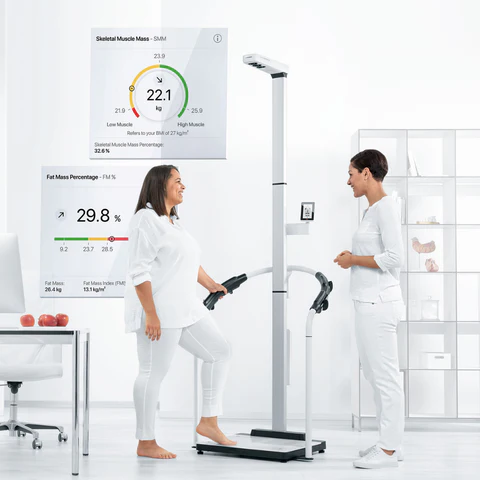
For athletes focused on performance, weight class, body composition change, or metabolic health, the SECA body composition scan provides precise data on fat mass, lean mass, and hydration — the numbers that actually matter for athletic development and safe weight management.

Particularly useful for athletes making body composition changes, those monitoring muscle preservation during caloric restriction, or coaches and athletes who want objective data alongside training metrics.
Learn About the SECA Scan →
——————– Good Questions

What athletes and parents ask
before the season starts

The questions worth asking — and the answers that help you make a confident decision about participation.
What’s actually included in a sports physical?
A sports physical reviews medical and injury history, current symptoms, cardiac and respiratory concerns, medications, family history of heart conditions in young relatives, and factors that could affect safe participation. At Mission Concierge Care, there’s enough time to cover the history properly — not just check the form boxes and move on.
Does a sports physical replace an annual wellness visit?
No — and this matters practically. A sports physical is focused specifically on participation safety. It doesn’t replace full preventive care, growth and development review, vaccine coordination, or the broader wellness conversation that an annual visit covers. If your child only sees a physician once a year for their sports physical, some important things are being missed.
Can you evaluate exercise-related breathing symptoms?
Yes — and this is one of the most common things that gets missed in a rushed sports physical. Breathing symptoms with exercise — coughing, wheezing, shortness of breath beyond expected effort, or an athlete who simply underperforms because of poor control — deserve a real evaluation, not just a note on the form. Exercise-induced asthma is both common and highly treatable.
What about concussion history and return-to-play decisions?
Return-to-play after concussion requires individualized medical judgment — not just a countdown to a date on the calendar. Dr. Marshall evaluates whether symptoms have genuinely resolved, whether additional assessment is warranted, and whether any modifications to return are appropriate. For athletes with multiple concussion history, that conversation is especially important before the next season starts.
Do you complete school and team forms?
Yes — form completion is part of the visit. The difference here is that the form reflects an actual evaluation rather than a rubber stamp. For families who have had a physician refuse to sign a form because something needs follow-up first, that distinction is exactly the point: it’s the right call, not an inconvenience.
When should an athlete stop and get urgent evaluation?
Stop play and seek emergency care for: chest pain or pressure during or after exercise, fainting or near-fainting, severe breathing difficulty, new neurologic symptoms after a hit or fall, or any symptom that’s worsening rather than improving after an injury. Don’t wait for the next scheduled appointment. These require same-day or emergency evaluation.
——————– Related Services

What connects to sports safety
and athlete health

Injury Prevention

Physical Conditioning

Proper Equipment

Medical Support

Get cleared the right way —
with a physician who actually looks. .

Whether it’s a school physical, a return-to-play decision, or a breathing symptom that’s been nagging all season — Dr. Marshall builds a sports safety evaluation around what the athlete actually needs. Start with a Meet & Greet at Mission Concierge Care.
mcc-logo-2
Mission Concierge Care · Dr. B. Grant Marshall · Titusville, FL

Serving Titusville, FL and surrounding areas · Not a substitute for health insurance