
Prediabetes and type 2 diabetes affect energy, weight, cardiovascular health, kidney function, and how you feel each day. Dr. Marshall helps you understand what’s driving your glucose, build a plan that fits your life, and protect what matters most — your heart, your kidneys, and your long-term wellbeing.
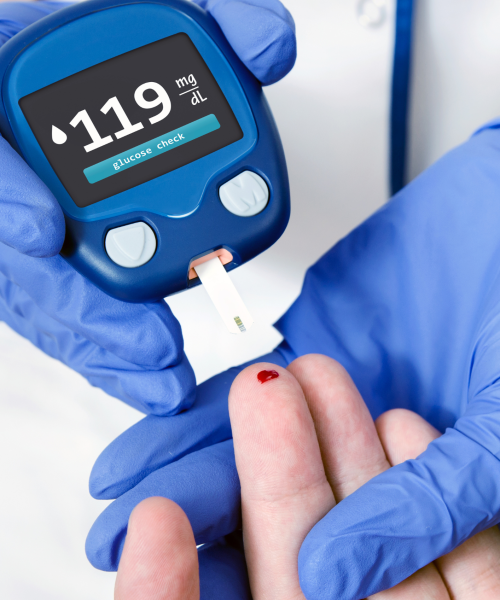
Patients with prediabetes, insulin resistance, type 2 diabetes, a rising A1c, or glucose patterns that don’t add up — and who want a physician who genuinely takes the time to work through the details with them.
Common Goals
Dr. Marshall uses trends, symptoms, body composition, and lifestyle patterns together to guide decisions — not just a quarterly lab result. It’s continuous, connected care between visits, not just at them.
Millions of people are told they have prediabetes and sent home with a pamphlet. What they have is a window — often years long — where meaningful action can prevent progression to type 2 diabetes entirely, or substantially slow it down.
For those already living with type 2 diabetes, the goal goes far beyond managing a number. Diabetes affects energy, weight, appetite, cardiovascular risk, kidney health, and cognitive function. Good care addresses all of it — and connects glucose management to the outcomes that matter most in daily life.
That kind of care takes time. It takes continuity. It takes a physician who sees the full picture across visits — not just reviews the A1c on the most recent lab sheet.
“Prediabetes doesn’t have to become diabetes. But preventing that requires more than handing someone a handout. It requires a clear plan, consistent follow-up, and a physician who stays genuinely invested in your progress.”
Wherever you fall on this spectrum, meaningful intervention is possible. The earlier it begins, the more options are available — and the greater the chance of changing the trajectory entirely.
Fasting glucose under 100, A1c under 5.7%. The prevention window is open — and the goal is to keep it that way through proactive, personalized care.
A1c 5.7–6.4%. The most critical window for reversal. With the right plan, many patients can return glucose to a healthy range — and stay there.
A1c 6.5%+. Reversal becomes harder at this stage, but meaningful improvement is often achievable. Preventing long-term complications is the primary goal.
Complex or long-standing diabetes requires sustained, attentive management. The goals: stable glucose control, reduced medication burden where possible, and prevention of the complications that affect quality of life most.
Traditional lab tests offer valuable information, but they can miss how your body responds throughout the day. Factors like meal timing, stress, sleep quality, exercise, and recovery all influence metabolic health in real time.
By evaluating patterns in energy, appetite, sleep, and daily routines, a more complete picture of metabolic function begins to emerge.
Dr. Marshall focuses on individualized interpretation — using real-life patterns to guide more precise nutrition, lifestyle, and treatment decisions.
A1c goals are not one-size-fits-all. The right target depends on your age, other health conditions, risk of low blood sugar, current medications, and what you can realistically and sustainably maintain. An aggressive target that triggers hypoglycemia isn’t better care — it’s a different problem entirely.
Dr. Marshall works with you to set a realistic, meaningful goal — then builds a plan around reaching it through nutrition, movement, sleep, stress management, and medication that makes sense for your specific situation.
The goal isn’t just a better number. It’s fewer complications, more energy, and genuine confidence in how you’re managing your health day to day.
Diabetes care breaks down when it’s fragmented — when advice comes from multiple sources that don’t communicate, or when follow-up disappears after the initial diagnosis. The concierge model is built to provide the kind of ongoing, coherent care that produces real change.
That means Dr. Marshall can focus on the outcomes patients value most: better energy, fewer crashes, clearer thinking, improved weight, and lower long-term risk — not just an A1c that looks better on a lab sheet.
Wherever you are on this spectrum, intervention is possible. The earlier it happens, the more options you have — and the less damage accumulates along the way.
Diabetes doubles cardiovascular risk. Managing glucose alongside blood pressure and cholesterol is the single most powerful form of protection available — and it’s entirely within reach.
Diabetic kidney disease is the leading cause of kidney failure in the US. Early intervention — before the first signs of kidney stress appear — can change the trajectory significantly.
Peripheral neuropathy — tingling, numbness, or pain in the feet and hands — is a direct consequence of sustained glucose elevation. Prevention is far easier than reversal, which is why early, consistent control matters so much.
Diabetic retinopathy remains a leading cause of preventable blindness. Stable glucose — not just managed glucose — is what the eyes depend on.
The questions that rarely get a thorough answer in a short office visit. These deserve more than a brochure.
For many patients, yes — and meaningfully so. Targeted changes in weight, food quality, physical activity, sleep, and metabolic health can bring glucose back into a healthy range. The earlier it’s addressed, the greater the chance of avoiding progression to type 2 diabetes entirely. It takes a clear, specific plan — not a pamphlet.
It depends on your age, other health conditions, medication risk, and what you can sustainably maintain. A target aggressive enough to cause low blood sugar isn’t better care — it’s a different risk. Dr. Marshall sets a meaningful, individualized goal and builds the plan around reaching it safely.
How do you identify what’s affecting my blood sugar?
Blood sugar is influenced by more than just sugar intake. Meal timing, food quality, sleep, stress, activity levels, medications, and underlying metabolic health can all affect glucose regulation in different ways. Dr. Marshall looks at the full clinical picture to identify patterns, uncover root causes, and create a treatment strategy tailored to how your body actually responds.
In many cases, yes — and meaningfully so. Even modest fat loss and increased activity can lower insulin resistance and improve glucose control. Any medication changes should still be guided medically, but reducing medication burden over time is a realistic and achievable goal for patients who can sustain meaningful lifestyle improvements.
Large swings usually point to something identifiable — food timing or composition, sleep disruption, stress, medication fit, or underlying metabolic instability. A thorough review helps identify the pattern and its true cause, so the solution addresses the right problem rather than just adjusting a dose arbitrarily.
Diabetes and prediabetes significantly amplify cardiovascular risk — affecting the heart, brain, and blood vessels through chronic inflammation and arterial damage. That’s why comprehensive care addresses blood pressure, cholesterol, body composition, and physical capacity alongside glucose — treating them as one connected picture, not a collection of separate problems.
Abnormal Cholesterol
High Blood Pressure
Cardiovascular Risk
Fatty Liver Disease
Whether you’re working to stop prediabetes in its tracks or take better control of an existing diagnosis, Dr. Marshall builds a plan around your patterns, your labs, and your life. It starts with one honest conversation.
Serving Titusville, FL and surrounding areas · Not a substitute for health insurance
While A1c provides a valuable snapshot of average blood sugar over time, it doesn't tell the whole story of your metabolic health. Mission Concierge Care focuses on understanding the dynamic fluctuations in your glucose levels throughout the day. By analyzing these real-time patterns, we can identify specific triggers and underlying issues that impact your energy, mood, and long-term health, offering a more personalized and effective approach to management.
These patterns reveal crucial insights into how your body responds to food, stress, sleep, and activity. For instance, sharp spikes after meals or significant drops between them can indicate insulin resistance or other metabolic imbalances that a simple A1c might overlook. This detailed understanding allows for highly tailored interventions in nutrition, exercise, and lifestyle, moving beyond generalized advice to address your unique physiological responses.
Effective management of prediabetes and type 2 diabetes extends far beyond medication and diet alone. Mission Concierge Care emphasizes the profound impact of lifestyle factors such as sleep quality, stress levels, and physical activity on glucose control and overall metabolic well-being. Integrating these elements into your care plan is key to achieving sustainable health improvements and preventing complications.
For example, insufficient sleep can disrupt hormone balance, leading to increased insulin resistance and elevated glucose levels. Similarly, chronic stress triggers the release of cortisol, which can also negatively affect blood sugar. Our approach involves a thorough review of your daily routines, sleep habits, and stress management techniques to develop a comprehensive strategy that supports your body's natural ability to regulate glucose and promotes better energy and resilience.
The long-term consequences of uncontrolled prediabetes and type 2 diabetes can affect vital organs like the heart, kidneys, and blood vessels. Mission Concierge Care adopts a proactive and holistic strategy to mitigate these risks, treating diabetes care as an interconnected system rather than isolated issues. Our goal is to protect your long-term health and enhance your quality of life by addressing all contributing factors.
This comprehensive care includes vigilant monitoring and management of related conditions such as high blood pressure and elevated cholesterol, recognizing their significant contribution to cardiovascular risk. We also focus on strategies to maintain kidney function and vascular health through personalized lifestyle adjustments and, when necessary, appropriate medical interventions. By integrating these aspects, we aim to reduce the likelihood of serious complications and empower you with greater confidence in managing your health.
Tailoring nutritional and exercise plans to your individual metabolic profile and lifestyle is central to successful diabetes management. Mission Concierge Care moves beyond generic dietary guidelines to create practical, sustainable strategies that enhance insulin sensitivity and support overall well-being. We believe that the right approach to food and movement can significantly impact your glucose control and energy levels.
Our guidance on nutrition focuses on meal structure and food quality that aligns with your body's responses, aiming to stabilize blood sugar and promote healthy weight management. Similarly, our movement plans are designed to optimize insulin sensitivity and build functional strength, considering your current fitness level and preferences. This integrated approach ensures that your diet and exercise work synergistically to improve your metabolic health and contribute to your long-term health goals.