——————– Titusville, FL & Surrounding Areas

The scale shows your weight, but not the full picture of your health.

A SECA body composition scan provides a clearer understanding of body fat, muscle mass, and hydration so treatment decisions can be based on meaningful health data — not weight alone.
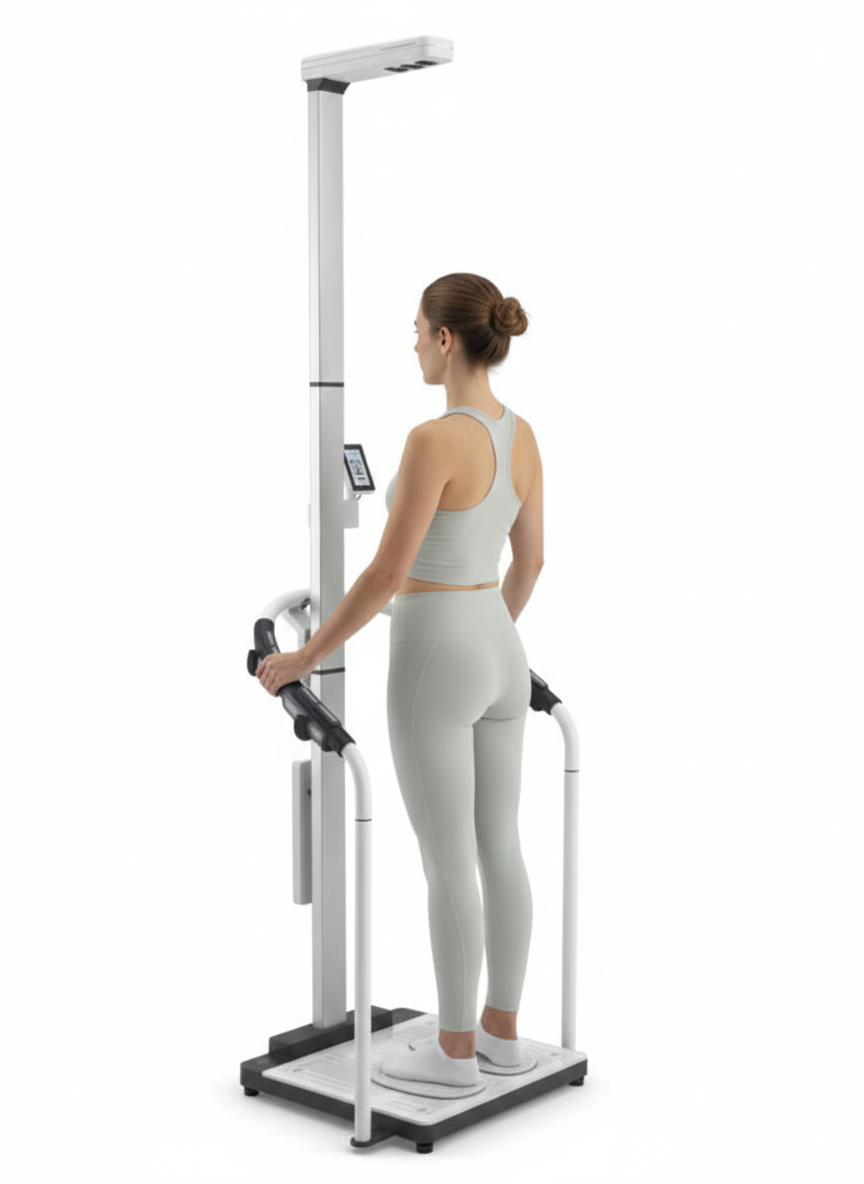
SECA body composition scan machine and patient in Titusville, FL
Best For

Designed for patients focused on weight management, metabolic health, athletic performance, and tracking meaningful changes in body composition over time.

The Core Value

The goal isn’t simply losing weight — it’s understanding whether your body is changing in a healthy and sustainable way.

Best Used As

SECA scans are most valuable when used consistently over time to track trends and guide personalized treatment decisions.

——————– The Problem

Losing weight and losing fat
are not the same thing.

Two patients on the same weight-loss program. After 12 weeks, both have lost 15 pounds. One has lost 14 pounds of fat and preserved almost all of their muscle. The other has lost 8 pounds of fat and 7 pounds of muscle. The scale says the same thing. The outcomes are completely different.

Muscle drives resting metabolism, insulin sensitivity, long-term weight maintenance, and physical function. Losing it while losing weight is one of the most common reasons weight loss programs eventually fail — because the metabolic engine gets smaller along with the number on the scale. A SECA body composition scan makes that distinction visible — so Dr. Marshall can adjust nutrition, protein targets, activity, and medication timing before muscle loss compounds into a harder-to-reverse problem.
“The patients who struggle most with long-term weight maintenance are often the ones who lost significant muscle during the process. The scan lets us catch that early — while there’s still time to change course.”
—– Dr. B. Grant Marshall, Mission Concierge Care
——————– What It Measures

Four numbers more useful
than the one on your scale

Each of these gives Dr. Marshall a different piece of the picture — and together they shape how treatment decisions get made.
FM

Fat Mass

Pre-participation physicals for school sports, camp clearance, and youth athletic programs — done with enough time to actually evaluate the athlete, not just complete the paperwork.
Why it matters: the goal is fat loss, not just weight loss
lm
Lean Mass
Adults returning to training, running first races, or stepping up intensity deserve an evaluation that accounts for age-related cardiovascular and musculoskeletal considerations — not just the same form a teenager fills out.
Why it matters: muscle is the metabolic engine that keeps weight off
TBW
Total Body Water

Breathing symptoms during exercise, a prior concussion, recurrent injuries, poor recovery, or fatigue that’s affecting performance — athletes with these issues need a physician who evaluates the concern, not just clears around it.

Why it matters: fluid shifts can fool the scale entirely
%BF
Body Fat Percentage

Breathing symptoms during exercise, a prior concussion, recurrent injuries, poor recovery, or fatigue that’s affecting performance — athletes with these issues need a physician who evaluates the concern, not just clears around it.

Why it matters: context the BMI number never provides
——————– The Difference in Practice

What a scale tells you —
and what it doesn't

A few examples of how the same scale number can mean entirely different things — and why that distinction changes what the treatment plan should do next.
The scenario What the scale says What the SECA adds
Patient on GLP-1 for 3 months Down 18 lbs Fat down 14 lbs, lean mass down 4 lbs — protein and resistance training targets adjusted to protect muscle
Patient who started strength training No change in weight Fat down 5 lbs, lean mass up 5 lbs — metabolic improvement despite zero scale movement. Motivation stays high.
Patient eating less but not losing Steady weight Body water up — fluid retention from a medication or dietary change is masking fat loss that's actually occurring
Athletic patient tracking performance Slightly heavier Lean mass up, fat mass unchanged — muscle gain during training. The scale was telling the wrong story entirely.
Post-illness patient re-engaging Lost weight during illness Significant lean mass loss during illness identified — recovery plan prioritizes protein and muscle rebuilding before resuming caloric deficit
——————– Who It Helps Most

The patients where SECA data
genuinely changes the plan

Not everyone needs a body composition scan at every visit. But for these groups, it consistently adds clinical value that shapes better treatment decisions.
Patients on GLP-1 Medications
GLP-1 medications create rapid weight loss — which can include significant muscle loss if nutrition isn’t calibrated carefully. Regular SECA tracking lets Dr. Marshall catch unfavorable lean mass trends early and adjust the plan before they compound.
Medical Weight Loss Programs
When weight loss is the goal, body composition tracking reframes success away from the scale and toward what actually matters — fat loss, lean preservation, and the metabolic markers that predict long-term maintenance.
Athletes & Active Patients
Body composition tracking for athletes provides performance-relevant data: lean mass gains, fat loss during cutting phases, hydration status, and seasonal changes — information that weight alone can’t provide and that shapes training and nutrition decisions meaningfully.
Metabolic Health & Diabetes Patients
Lean mass is strongly tied to insulin sensitivity and metabolic rate. For patients managing prediabetes or type 2 diabetes, tracking muscle preservation alongside glucose and weight gives Dr. Marshall a fuller picture of metabolic progress — and a more precise lever to adjust.
The Scan in Context

A tool that earns its place
in a broader plan

A SECA scan is not a standalone health product. A printout with fat and lean mass numbers, handed to a patient without interpretation, is not useful — it’s just data. What makes it valuable is what happens with the results.

Dr. Marshall connects scan findings to specific adjustments: protein targets, training emphasis, caloric timing, medication dosing, and the metrics worth tracking at the next checkpoint. The scan informs those decisions — it doesn’t make them autonomously.

This is why a SECA scan fits best within a concierge care relationship rather than as a one-time add-on. The interpretation is the value — and interpretation requires knowing the patient.
Repeat Scanning

One scan is interesting.
A trend is actionable.

A single SECA scan establishes a baseline. It tells you where you are. It doesn’t tell you where you’re going or whether the current plan is working — that requires a second point, and ideally a third.

The right scanning interval depends on the program. For patients in active weight loss with GLP-1 support, scanning every 8–12 weeks often aligns with dose adjustment cycles. For athletes tracking body composition changes, scan timing ties to training blocks or seasonal goals.

The goal isn’t more scans. It’s scans at the right moments — when the result will actually inform a meaningful decision about what to do differently.
——————– What to Expect

What a SECA scan visit
actually looks like

The scan itself is quick, noninvasive, and comfortable. What makes it useful is the conversation that follows — connecting the numbers to the patient’s actual goals, current treatment, and what should change next.

For patients already in a Mission Concierge Care program, the scan integrates directly into the care plan. For new patients, a scan visit is a natural starting point for a weight loss or metabolic health conversation.
——————– Good Questions

What people ask before
they step on the SECA

The questions worth asking — with answers that help you understand what you’re actually getting from this tool.
What exactly is a SECA body composition scan?
A noninvasive body composition assessment that measures fat mass, lean mass, total body water, and body fat percentage — giving Dr. Marshall a more complete picture of how your body is changing than weight alone provides. It’s quick, comfortable, and requires no radiation or needles.
How is it different from just weighing myself at home?
A scale gives one number — total weight. That number can move down while muscle is being lost, stay flat while fat is being replaced by muscle, or shift dramatically based on fluid without any real change in body composition. The SECA separates those components so the numbers actually mean something about what’s changing and in which direction.
Is it helpful if I’m using a GLP-1 medication?
Yes — and this is one of its most important use cases. GLP-1 medications can cause rapid weight loss that includes significant lean mass loss if protein intake and resistance training aren’t well-calibrated. Regular SECA scans let Dr. Marshall track whether that’s happening and adjust the plan before it compounds into a harder problem.
How often should I repeat the scan?
It depends on the program and the goal. For patients in active weight loss with medication support, every 8–12 weeks often makes sense — aligning with dose adjustments and program check-ins. For athletes, scan timing tracks with training cycles. For maintenance, less frequent scanning is typically appropriate. More scanning isn’t the goal; scanning at the right moments is.
Do I need to prepare before a scan?
Consistency matters more than any specific preparation. Scanning at a similar time of day, hydration level, and point relative to exercise and eating allows the most meaningful comparison between scans over time. Dr. Marshall’s office will provide specific guidance for your situation — the goal is that your second scan is actually comparable to your first.
Can a SECA scan diagnose a medical condition?
No — and this is worth being clear about. The scan is a measurement and tracking tool, not a diagnostic device. Its value comes from being interpreted alongside symptoms, labs, and the broader health plan — not from the numbers in isolation. A printout alone doesn’t tell you what to do. The conversation around it does.
——————– Where SECA Fits

The programs where body
composition data matters most

Weight Management Programs

Athletic Training Programs

Fitness and Gym Programs

Rehabilitation Programs

Progress that makes sense
starts with better data. .

If you’re working on weight loss, metabolic health, GLP-1 treatment, or athletic performance — a SECA scan gives Dr. Marshall the data to make better decisions with you. Start with a Meet & Greet at Mission Concierge Care.
mcc-logo-2
Mission Concierge Care · Dr. B. Grant Marshall · Titusville, FL

Serving Titusville, FL and surrounding areas · Not a substitute for health insurance